
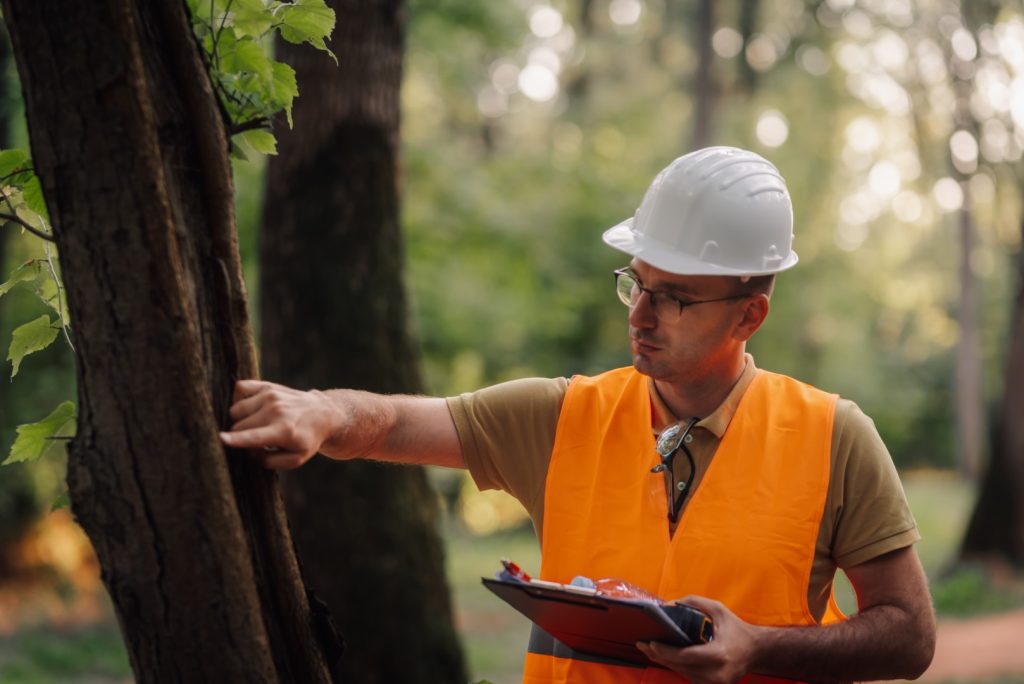
Mature trees can add shade, character, and value to a Denver-area property. However, heavy branches, weak unions, and storm damage can make some trees structurally unstable. Tree cabling and bracing may provide added support when a valuable tree develops these weaknesses.
These systems cannot repair decay or guarantee that a tree will never fail. Still, professional support may reduce movement and lower the risk of certain branches splitting. A tree inspection is the best first step when you notice cracks, leaning limbs, or unusual movement.
What Is Tree Cabling and Bracing?
Tree cabling and bracing are structural support techniques used to reinforce weak parts of a tree. Although people often discuss them together, they serve different purposes.
Tree cabling uses flexible cables installed between major limbs or stems. The cables limit excessive movement during high winds, snow, and storms. Therefore, they can reduce the stress placed on weak branch connections.
Bracing uses rigid rods installed through weak or splitting unions. These rods help hold the affected sections together. In some situations, an arborist may recommend both methods for additional support.
Because installation affects the tree’s structure, placement matters greatly. Incorrect hardware or poor positioning could damage healthy tissue. It may also create a false sense of security for the property owner.
What Problems Can Tree Cabling and Bracing Address?
Tree cabling and bracing may help when a tree has a correctable structural weakness. However, these systems are not suitable for every damaged tree.
A professional may consider structural support when a tree has:
- Multiple trunks with weak connections
- Large, heavy limbs extending over property
- A visible split within a branch union
- Excessive limb movement during storms
- Included bark between two major stems
- A valuable limb that cannot be safely removed
- A history of structural damage
Included bark develops when bark becomes trapped between two growing stems. As a result, the stems may not form a strong connection. This condition can increase the chance of splitting as the tree grows heavier.
Additionally, long horizontal branches may place significant force on their attachment points. Strategic pruning may reduce that weight. Cabling may then provide supplemental support when appropriate.
Warning Signs That Your Tree Needs an Inspection
You do not need to diagnose structural problems on your own. Nevertheless, several warning signs should prompt a professional tree inspection.
Look for cracks where large limbs connect to the trunk. Also, watch for branches that appear lower after a storm. Freshly exposed wood, hanging limbs, or unusual creaking can indicate movement or damage.
Other concerns may include:
- Soil lifting around the tree’s base
- New or worsening trunk movement
- Cavities near major branch unions
- Dead branches within the canopy
- Fungal growth around the trunk
- Broken branches caught overhead
- Limbs touching roofs or utility areas
Colorado’s wind, snow, and sudden weather changes can place added stress on weakened trees. Therefore, early evaluation can help property owners address hazards before the next severe weather event.
When Cabling Is Not the Right Solution
Tree cabling and bracing can support certain structural defects. However, these systems cannot restore severely decayed wood or unhealthy roots.
Tree removal may offer the safer solution when a tree has extensive trunk decay. Removal may also become necessary when major roots have failed or the entire tree is unstable.
Likewise, installing a cable does not replace proper pruning. Dead, broken, or excessively heavy branches may still require removal. A complete assessment should consider the tree’s health, structure, surroundings, and expected lifespan.
Mike’s Tree Service provides professional tree inspections and health assessments throughout the greater Denver metro area. Their team checks for disease, pest activity, structural weakness, and other potential concerns. Based on the findings, they can recommend practical next steps for the property.
Why Professional Installation and Monitoring Matter
A support system must account for the tree’s species, size, structure, and growth pattern. Professionals must also select appropriate hardware and installation points.
Additionally, cabling and bracing systems require ongoing inspections. Trees continue growing around installed hardware. Cables can loosen, hardware can shift, and new structural issues can develop.
Property owners should not treat installation as a permanent, maintenance-free repair. Instead, the tree should receive periodic inspections and routine pruning when needed. Monitoring helps confirm that the support remains appropriate and effective.
Attempting to cable a tree without professional training can create serious risks. Working high within a canopy requires specialized climbing equipment and safety procedures. Moreover, drilling or attaching hardware incorrectly can further weaken the tree.
Can Pruning Reduce the Need for Structural Support?
Professional pruning may reduce stress on weak unions by removing selected weight. It can also improve branch spacing and reduce wind resistance within the canopy.
However, excessive pruning can create new problems. Removing too much foliage limits the tree’s ability to produce energy. Large, unnecessary cuts may also increase decay risks.
Mike’s Tree Service uses precise tree trimming and pruning techniques to improve structure and remove dead or diseased branches. Their team can determine whether pruning alone may address the concern. They can also identify situations that require a more comprehensive solution.
Protect Your Property With an Expert Tree Assessment
Tree cabling and bracing may help preserve certain mature trees with manageable structural weaknesses. However, every tree and property presents different conditions. A professional inspection can identify the problem and determine whether pruning, support, monitoring, or removal is appropriate.
Mike’s Tree Service offers experienced tree care throughout Denver and the surrounding metro area. Its fully insured team emphasizes safety, efficient work, transparent pricing, and customer satisfaction. The company also provides a 100% service guarantee for its tree and bush services.
Contact us today to request a free estimate and schedule a professional tree inspection. Mike’s Tree Service can help you make an informed decision that protects your trees, landscape, and property.