Tree topping may seem like a fast way to control an overgrown tree. However, removing large portions of the canopy can create serious long-term problems. Instead of improving the tree, aggressive cutting can weaken its structure and affect its overall health.
For Denver-area property owners, proper tree care becomes especially important because Colorado weather can place trees under considerable stress. Wind, snow, drought, and changing temperatures can all affect tree health. Therefore, understanding the risks of tree topping can help you make better decisions about your landscape.
Mike’s Tree Service provides professional tree trimming, pruning, inspections, and other tree care services throughout the Denver metro area. With the right approach, many overgrown or problematic trees can be managed without harmful topping.
What Is Tree Topping?
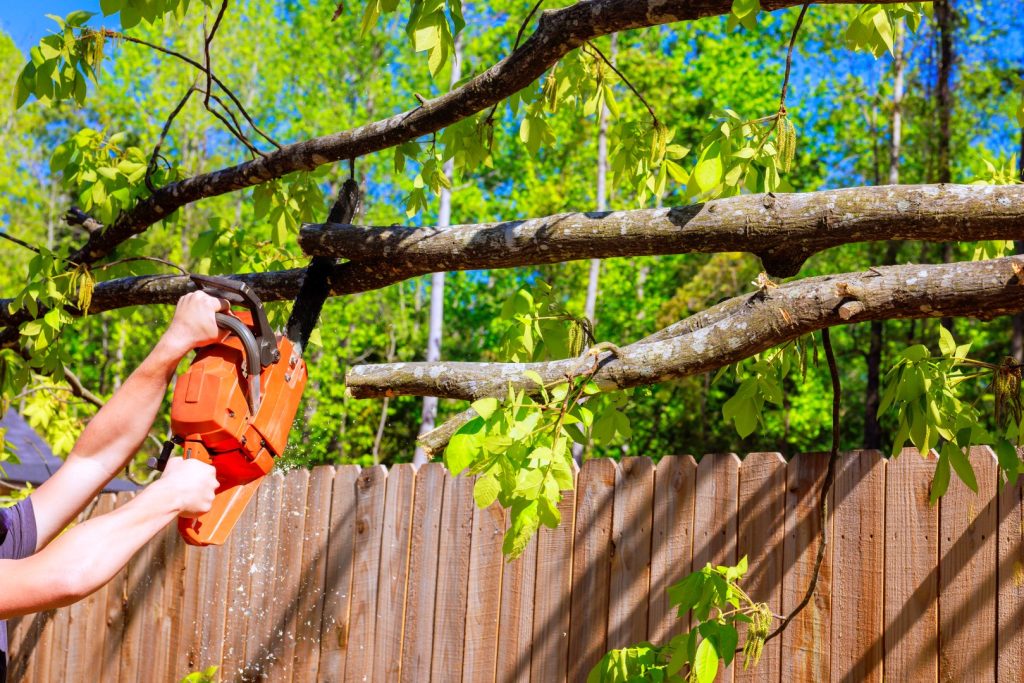
Tree topping involves cutting back large branches or removing a significant portion of a tree’s upper canopy. Often, branches get cut without considering their natural growth structure.
A property owner may request tree topping because a tree seems too tall or wide. Additionally, branches may extend toward a roof, driveway, utility area, or neighboring property.
Although topping can make a tree temporarily smaller, it does not solve the underlying growth problem. In fact, the tree may respond by producing numerous fast-growing shoots near the cuts.
These new shoots can quickly make the canopy dense again. However, their attachments may be weaker than the original branches.
Why Tree Topping Can Damage Tree Health
A healthy canopy plays an important role in producing energy for the tree. Leaves capture sunlight and support the biological processes that keep the tree growing.
When tree topping suddenly removes large amounts of foliage, the tree loses part of its energy-producing system. Consequently, the tree may experience significant stress.
Large cuts can also expose more wood than necessary. These wounds may take longer to close and can potentially create opportunities for decay or other problems.
Furthermore, a stressed tree may become more vulnerable to environmental pressures. Colorado’s dry periods, heavy snow, wind, and sudden weather changes can add even more strain.
Professional tree trimming takes a more selective approach. Instead of simply reducing the canopy, proper pruning focuses on specific branches and the tree’s overall structure.
Tree Topping Can Create Weak New Growth
One of the most misunderstood consequences of tree topping involves what happens afterward.
A heavily topped tree may rapidly produce new shoots around the cut areas. At first, this new growth can make the tree appear vigorous.
However, rapid growth does not necessarily mean the tree is healthier.
These shoots may have weaker connections than established branches. As they become longer and heavier, they can potentially create structural concerns.
As a result, topping can sometimes create the exact problem a property owner wanted to prevent. Instead of producing a safer tree, improper cutting may lead to additional maintenance needs.
Can Tree Topping Make Storm Damage More Likely?
Improper tree topping can affect the structure of a tree and the way future branches develop. Therefore, it may contribute to concerns during severe weather.
Denver-area trees regularly experience high winds, snow, hail, and sudden weather changes. Weak branches or poorly attached new growth can become particularly concerning during these conditions.
Professional pruning can help remove dead, damaged, or problematic limbs while preserving healthier portions of the canopy. Additionally, strategic trimming may improve branch spacing and reduce unnecessary weight in certain areas.
A professional tree inspection can help determine whether pruning is appropriate before major cuts are made.
What Should You Do Instead of Tree Topping?
The best alternative depends on why you are considering tree topping in the first place.
For example, an overgrown tree may simply need selective pruning. Dead or damaged branches may require removal, while healthy branches can remain intact.
Likewise, branches growing toward structures may sometimes be carefully reduced without drastically cutting the entire canopy.
Professional tree trimming and pruning can help:
- Remove dead or diseased branches
- Improve tree structure
- Address excessive or problematic growth
- Reduce certain branch-related hazards
- Improve the tree’s overall appearance
- Support healthier long-term growth
However, every tree is different. Species, age, condition, location, and existing damage can all affect the recommended approach.
Mike’s Tree Service can inspect the tree before recommending trimming, corrective pruning, monitoring, or another solution.
When a Tree Inspection Makes Sense
Sometimes the biggest question is not how much to trim. Instead, homeowners need to determine whether the tree is healthy enough to preserve.
Visible cracks, dead limbs, unusual leaning, sparse foliage, trunk damage, or storm-related problems can indicate a need for professional evaluation.
Mike’s Tree Service offers tree inspections and health assessments throughout the Denver metro area. Their team evaluates concerns such as structural weakness, disease, pest activity, and overall tree condition.
After an assessment, the team can recommend practical next steps based on the specific tree.
In many situations, targeted pruning can help improve the tree. However, severely damaged, unstable, or declining trees may require removal to protect surrounding people and property.
Choose Professional Tree Pruning in the Denver Metro Area
Tree topping may provide an immediate reduction in size, but the long-term consequences can outweigh that temporary benefit. Proper pruning takes the tree’s health, structure, surroundings, and future growth into consideration.
Mike’s Tree Service brings more than 15 years of tree care experience to properties throughout the Denver metro area. The fully insured team provides professional tree trimming, pruning, tree inspections, tree removal, stump grinding, and other tree and bush services.
Additionally, Mike’s Tree Service focuses on safe and efficient work, transparent pricing, and customer satisfaction. The company also backs its tree and bush services with a 100% service guarantee.
If you have an overgrown tree or concerns about previous tree topping, professional guidance can help. Contact us at Mike’s Tree Service today to request a free estimate and determine the right approach for your trees.