
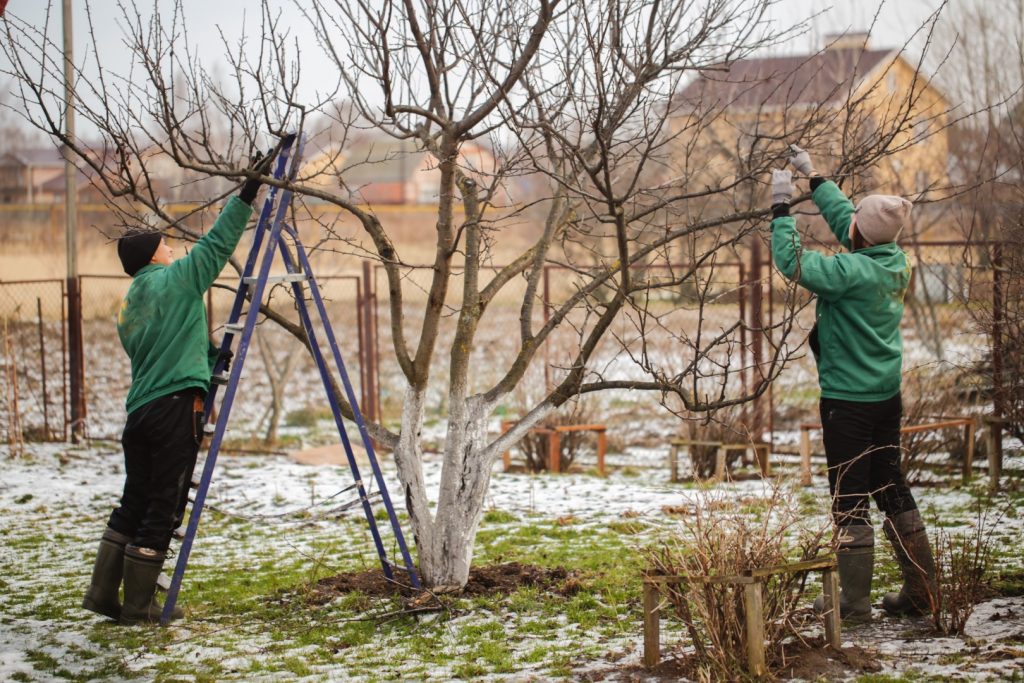
Preparing trees for winter is essential for protecting your landscape from Colorado’s unpredictable weather. Heavy snowfall, freezing temperatures, and strong winds can challenge even mature, healthy trees. Without proper maintenance, vulnerable branches may break, roots can suffer moisture stress, and existing tree problems may worsen.
Fortunately, proactive winter tree care helps Denver homeowners protect their trees and reduce potential property damage. From strategic pruning to professional inspections, a few important steps can make a significant difference. Mike’s Tree Service provides professional tree care throughout the Denver Metro area, helping property owners prepare for seasonal challenges.
Why Preparing Trees for Winter Matters in Colorado
Colorado winters create unique challenges for residential and commercial landscapes. Rapid temperature changes, heavy snow accumulation, and periods of dry weather can place considerable stress on trees.
Additionally, Denver’s relatively dry climate means trees may experience moisture shortages even during winter. Frozen soil can also limit water availability, especially for evergreen trees that retain their foliage throughout the season.
Proper winter tree maintenance helps:
- Reduce the risk of broken branches during snowstorms
- Support healthy root systems during colder months
- Identify existing damage or structural weaknesses
- Protect surrounding structures from falling limbs
- Encourage healthier growth when spring arrives
By addressing potential problems before severe weather develops, homeowners can maintain safer, healthier landscapes throughout winter.
Schedule Professional Tree Trimming Before Heavy Snowfall
One of the most important steps in preparing trees for winter is identifying branches that could fail under additional weight.
Dead, damaged, or weakened limbs are particularly vulnerable to heavy snow and strong winds. Furthermore, branches extending over rooftops, driveways, and walkways may create additional safety concerns.
Professional tree trimming helps address these hazards before winter storms arrive. However, excessive or poorly timed pruning can cause unnecessary stress, especially for certain tree species.
Mike’s Tree Service offers professional tree trimming and pruning throughout the Denver Metro area. Their experienced team evaluates tree structure, identifies hazardous branches, and recommends appropriate pruning techniques.
Rather than removing branches indiscriminately, professional pruning focuses on protecting tree health while improving safety.
Inspect Trees for Disease, Damage, and Structural Problems
Winter weather can turn existing tree weaknesses into serious hazards. Therefore, identifying potential problems before temperatures drop is an important part of seasonal maintenance.
Homeowners should watch for warning signs such as:
- Large dead branches or visibly damaged limbs
- Cracks or cavities in the trunk
- Fungal growth around the trunk or roots
- Significant leaning or changes in tree position
- Loose bark or other signs of decay
- Weak branch connections or uneven growth
While some symptoms are easy to recognize, other structural problems may require professional evaluation.
Mike’s Tree Service provides comprehensive tree inspections and health assessments throughout the Denver Metro area. These evaluations help identify concerns involving tree stability, disease, decay, and overall condition.
An inspection can also determine whether corrective pruning is appropriate or additional action is necessary.
Keep Trees Properly Watered During Dry Winter Conditions
Although winter watering might seem unnecessary, Colorado’s dry climate makes moisture management especially important.
Trees continue to lose moisture during winter, particularly evergreens exposed to sunshine and wind. When soil remains dry for extended periods, roots may struggle to replace that moisture.
Consequently, homeowners should monitor soil conditions throughout the colder months.
For established trees, supplemental watering may help during extended dry periods. Water when daytime temperatures exceed 40 degrees Fahrenheit and the soil is not frozen.
Apply water slowly around the root zone rather than directly against the trunk. Additionally, avoid watering when freezing conditions could create dangerous ice around walkways.
Young trees and newly planted landscaping often require closer monitoring because their root systems are less established.
Protect Tree Roots With Proper Mulching
Mulching provides another practical way to prepare trees for winter. A properly maintained mulch layer helps moderate soil temperatures, retain moisture, and reduce competition from surrounding vegetation.
For most trees, apply approximately two to four inches of organic mulch across the root zone. However, keep the mulch several inches away from the trunk.
Piling mulch directly against tree bark can trap moisture and contribute to decay.
Furthermore, homeowners should avoid excessive soil disturbance around established trees. Damaging roots before winter can weaken a tree’s ability to withstand environmental stress.
These simple precautions help create healthier growing conditions as temperatures fluctuate.
Know When Tree Removal May Be Necessary
Not every damaged tree requires removal. In many situations, professional pruning and ongoing maintenance can preserve trees for years.
However, severely decayed, structurally unstable, or dying trees may present significant safety risks during winter storms.
Large branches can damage roofs, fences, vehicles, and other structures when they fail. Likewise, an unstable tree near a home may become increasingly dangerous during severe weather.
Professional tree removal may be appropriate when a tree:
- Has extensive decay or major structural damage
- Shows significant root instability
- Contains large, irreparably damaged sections
- Presents an unacceptable risk to nearby structures
- Cannot reasonably recover through corrective maintenance
Mike’s Tree Service offers professional tree removal services for Denver-area properties. Their team assesses each situation and develops an appropriate removal plan.
Importantly, homeowners should never attempt to remove large or unstable trees without professional assistance.
How Should You Care for Trees After a Winter Storm?
Even well-maintained trees can experience damage during severe Colorado weather. Therefore, homeowners should inspect their landscapes after major snowfall or high winds.
Look for fallen branches, cracked limbs, and changes in tree alignment. Additionally, check for broken branches hanging within the canopy.
Avoid standing beneath damaged trees or attempting to remove large suspended limbs yourself.
If heavy snow accumulates on smaller, accessible branches, avoid forcefully shaking them. Frozen branches can become brittle and may break unexpectedly.
For damaged trees near buildings, utility lines, or frequently used outdoor areas, professional assessment is especially important. Keep clear of fallen power lines and contact the utility provider when electrical hazards exist.
Addressing storm damage promptly can help prevent additional problems and protect surrounding property.
When Is the Best Time to Prune Trees for Winter?
The ideal pruning schedule depends on tree species, overall condition, and maintenance goals.
For many deciduous trees, late winter dormancy offers favorable conditions for routine pruning. However, hazardous, broken, or dead branches may require attention sooner.
Some species also have specific pruning considerations related to disease prevention and seasonal growth.
Therefore, homeowners should avoid assuming that every tree benefits from the same maintenance schedule.
A professional tree care provider can evaluate your landscape and recommend the most appropriate timing for each tree.
Prepare Your Denver Trees for Winter With Mike’s Tree Service
Preparing trees for winter helps preserve their health, protect your property, and reduce the risks associated with Colorado’s harsh seasonal conditions.
From professional pruning to comprehensive health assessments, preventative maintenance can make a lasting difference.
Mike’s Tree Service brings more than 15 years of hands-on experience to residential and commercial tree care throughout the Denver Metro area. Their services include professional tree trimming, tree removal, stump grinding, and tree health assessments.
Whether you have concerns about weakened branches or want to prepare your landscape for winter, their team can help identify appropriate solutions.
Contact Mike’s Tree Service today to request a free estimate and schedule professional tree care before Colorado’s winter weather creates unexpected problems.