Healthy roots are essential for a strong, stable tree. However, tree root problems can develop beneath the surface long before homeowners notice obvious symptoms. Damaged, decaying, or poorly positioned roots can affect tree health. In some situations, they can also threaten sidewalks, landscaping, structures, and overall property safety.
Because roots are mostly underground, determining the extent of a problem can be difficult. Therefore, homeowners should know which warning signs deserve professional attention.
Mike’s Tree Service provides professional tree care throughout the Denver Metro area. Their experienced team can evaluate concerning trees and recommend practical solutions based on the tree and surrounding property.
Why Tree Root Problems Should Not Be Ignored
A tree depends on its root system for water, nutrients, support, and stability. Consequently, serious root damage can affect the entire tree.
Root problems can develop for several reasons. Construction may damage or sever important roots. Compacted soil can also limit oxygen and water movement. Additionally, disease, decay, drought, poor drainage, and changes to the surrounding landscape may affect root health.
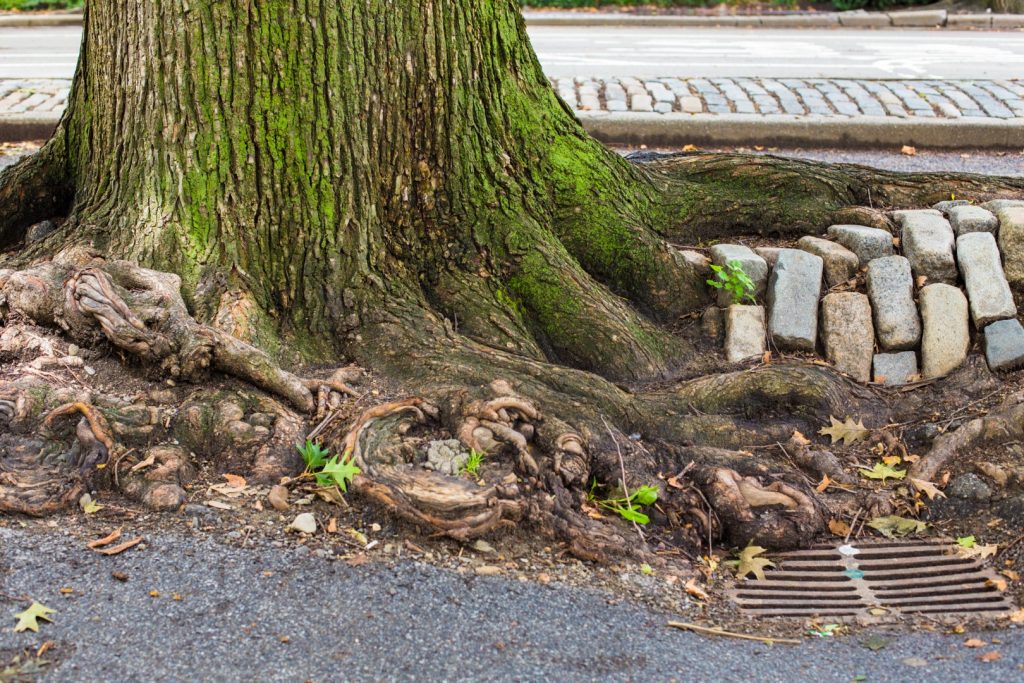
Sometimes, roots themselves can create property concerns. Large surface roots may lift sections of landscaping or interfere with sidewalks. Roots near foundations, driveways, or other improvements can also become a concern.
However, cutting troublesome roots without understanding their importance can create an even larger problem. Removing major structural roots may weaken the tree and increase its risk of failure.
Therefore, professional evaluation is often the safest first step.
Common Signs of Tree Root Problems
Tree root problems do not always produce an obvious warning underground. Instead, homeowners often notice changes elsewhere in the tree or surrounding landscape.
Common warning signs include:
- Large roots that appear damaged, cut, exposed, or decayed
- Mushrooms or fungal growth around the tree’s base
- Soil lifting or changing around major roots
- A tree that begins leaning unexpectedly
- Cracks or decay near the trunk and root flare
- Sparse leaves or unusually thin canopy growth
- Premature leaf loss or declining branches
- Surface roots interfering with nearby landscaping or hardscaping
One symptom does not automatically mean a tree needs removal. However, several warning signs together may indicate a more significant issue.
For that reason, a professional tree inspection can help determine what is actually happening.
When Tree Roots Begin Affecting Property
Some tree root problems become noticeable because they interfere with the surrounding property.
For example, expanding roots may contribute to uneven sidewalks, patios, or landscape features. Additionally, roots can complicate excavation, construction, driveway work, and other property improvements.
The solution is not always simply cutting the offending root.
A large root close to the trunk may contribute significantly to the tree’s stability. Therefore, removing it without evaluating the tree could create a safety hazard.
Instead, homeowners should consider the entire situation. A tree professional can examine the location of the roots, tree condition, surrounding structures, and available options.
In some cases, preserving the tree may still be practical. In others, removal may provide the safest long-term solution.
When Root Damage Creates a Tree Safety Concern
Tree stability is one of the biggest reasons to take tree root problems seriously.
The root system anchors the tree against wind, snow, and changing weather conditions. When important roots become damaged or compromised, the tree may have less structural support.
This issue can become particularly concerning during Colorado storms.
A newly leaning tree deserves prompt attention. So does visible movement in the soil surrounding the trunk. Cracking near the tree’s base can also indicate a structural concern.
Likewise, a tree with significant root damage combined with dead limbs, trunk decay, or declining foliage should receive professional evaluation.
Mike’s Tree Service offers tree inspections and health assessments throughout the Denver Metro area. An inspection can help identify root problems, structural weaknesses, disease, pests, and other conditions affecting tree safety.
Can Damaged Tree Roots Be Saved?
Not every case of root damage requires tree removal.
The right solution depends on several factors. These include the tree species, age, overall health, root location, extent of damage, and surrounding property conditions.
Minor root issues may require monitoring or changes to landscape maintenance. Additionally, improving soil conditions or addressing other sources of tree stress may support healthier growth.
However, extensive root decay or major structural root damage can be more serious.
This is why diagnosing the cause matters. Treating visible symptoms without understanding the root problem may allow the underlying issue to continue.
Professional tree care gives property owners more information before they make a major decision.
When Tree Removal May Be the Safest Option
Sometimes, severe tree root problems make preservation impractical or unsafe.
A tree may require removal when its root system can no longer provide reliable structural support. Removal may also become necessary when root damage accompanies severe disease, decay, or other structural problems.
Mike’s Tree Service begins tree removal projects with an on-site assessment. The team evaluates the tree’s condition, location, size, and nearby property before determining an appropriate removal approach.
Professional equipment and controlled removal methods also help reduce risks to surrounding landscaping and structures.
Afterward, stump grinding or removal may provide another important step.
Why Stump and Root Management Matters After Removal
Cutting down a tree does not necessarily eliminate everything below ground.
The stump and root flare remain after standard removal. Depending on future plans for the property, homeowners may choose stump grinding or more extensive removal.
Stump grinding reduces the stump below ground level. The remaining roots can then naturally break down over time.
However, some projects require more complete stump and root removal. For example, construction, hardscaping, or major landscape redesigns may require additional space below ground.
Mike’s Tree Service offers both stump grinding and stump removal options. Therefore, homeowners can choose an approach based on their property and future plans.
Get Professional Help With Tree Root Problems in Denver
Tree root problems are difficult to evaluate from the surface. More importantly, attempting to cut or remove major roots without professional guidance could weaken an otherwise stable tree.
If you notice exposed roots, unexplained leaning, declining growth, damaged hardscaping, or changes around a tree’s base, consider scheduling an inspection.
Mike’s Tree Service brings more than 15 years of tree care experience to properties throughout the greater Denver Metro area. The company provides professional tree inspections, tree trimming, tree removal, and stump grinding and removal services.
Their team emphasizes safe work, clear recommendations, and solutions based on the needs of each property.
If you are concerned about tree root problems on your property, contact us at Mike’s Tree Service. Request a professional evaluation and find out what steps can help protect your trees, landscape, and property.